
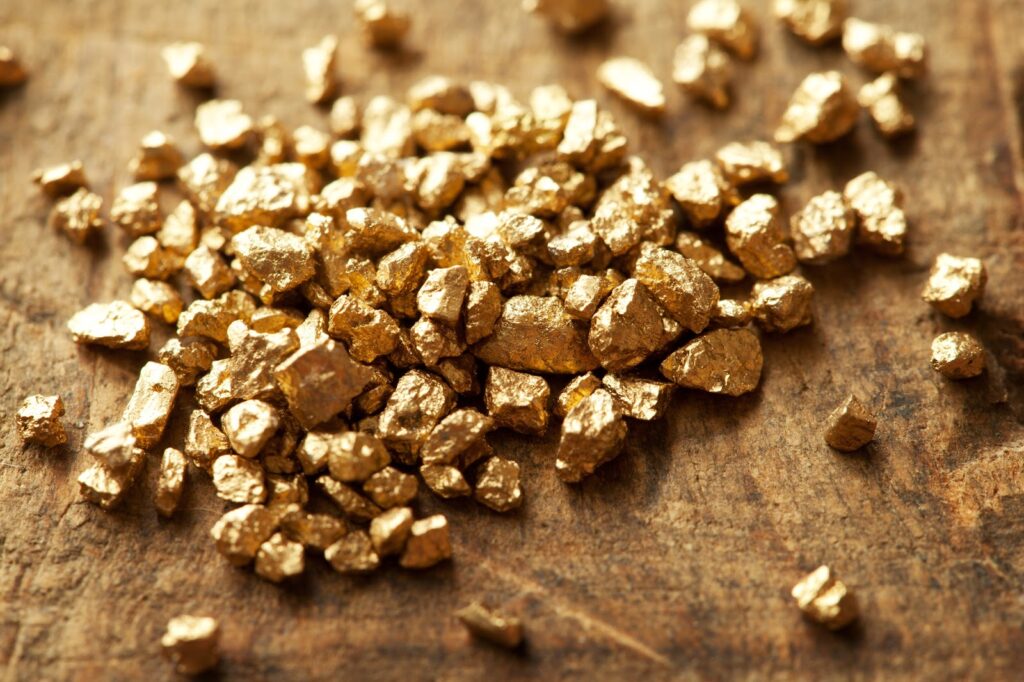
Gold is known as a luxury item.
But did you know that it is actually quite accessible?
You are looking at this screen right now, and there is actually gold in your sights.
This article introduces not only the characteristics of gold, but also how it is used in society, its history and etymology.
Trivia about gold is also introduced in this article, so please read to the end.
Properties and characteristics of Gold
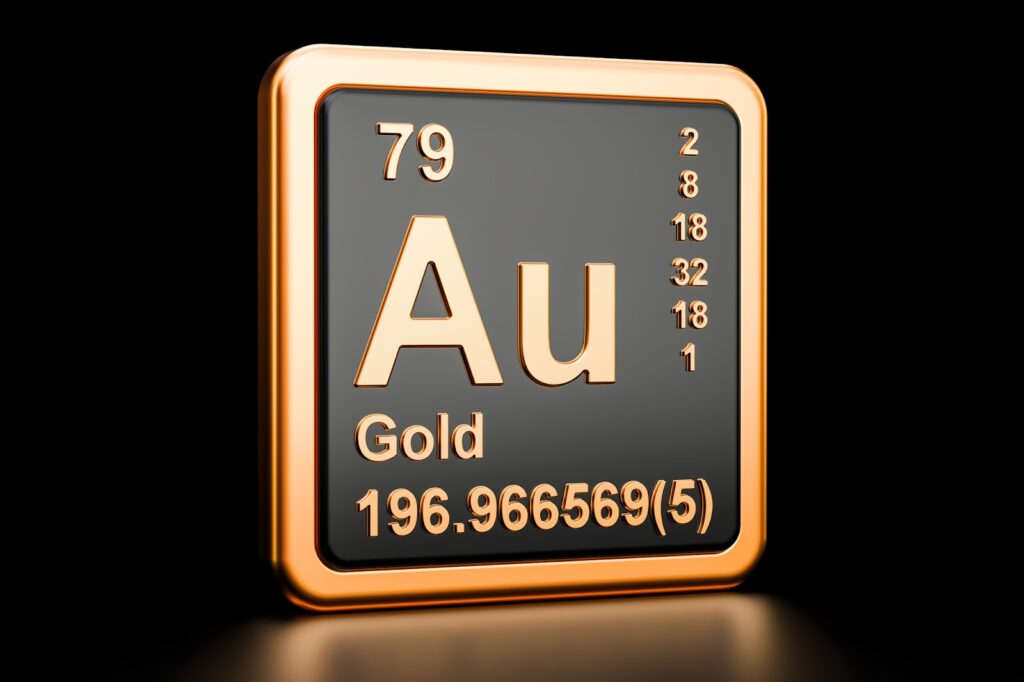
Gold is a soft, golden metal.
It has a very stretchy characteristic and 1g of gold can reach over 2000m long when stretched.
It also has the characteristic of being able to be made thinner, so it can be used as a gold leaf.
Gold as an element is stable and does not oxidize easily, so it is often taken as natural gold in nature as it is.
The high-purity natural product is called ‘gold sand’ and has a history of being extracted in Hokkaido, in Japan.
How Gold is used in society
Gold is used as an ingredient in ‘gold medals’, ‘electronic components’ and ‘accessories’.
Let’s look each of them.
Gold is useful “gold medal”

In fact, the gold medal is not the gold itself.
Gold plated on silver, the material of the medal itself is the same as the silver medal.
The reason is to ‘reduce the burden on the host country of the Olympic Games’.
If made from pure gold, each piece would cost approximately 2 million yen.
However, the plating is still valuable because it is covered with 6 g of ‘pure gold’.
Incidentally, silver medals can be made at a cost of about 23,000 yen each.
Gold is useful “electronic components”
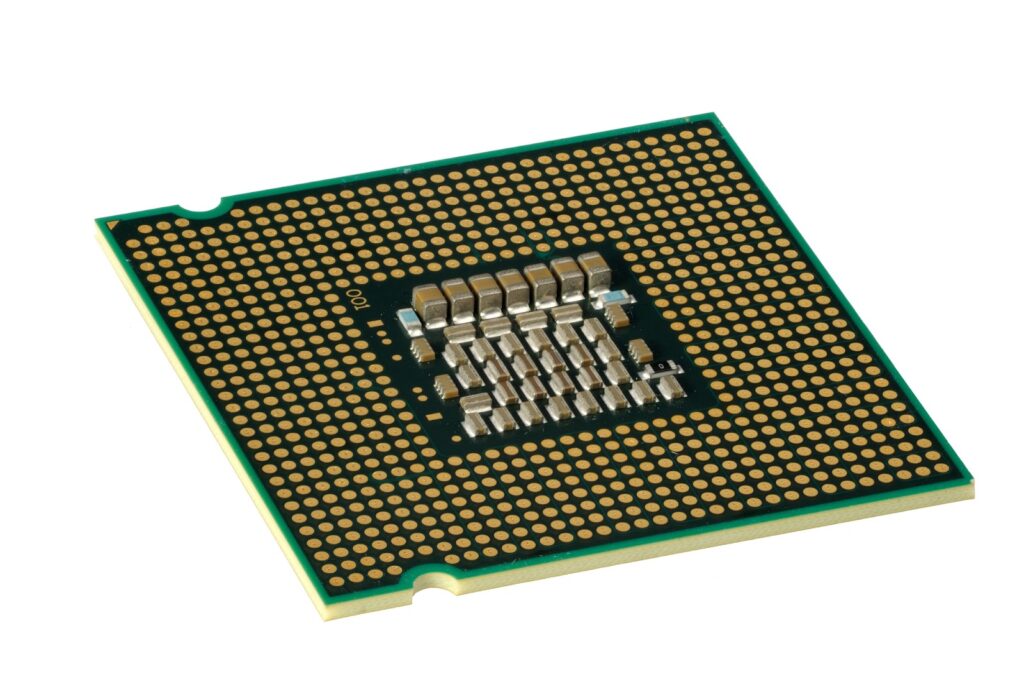
Gold conducts electricity well and is resistant to rust.
It is therefore sometimes used as a plating to prevent rusting of electronic circuits and copper wires.
Gold is actually used in the computers and smartphones we use on a daily basis.
Incidentally, the gold parts of SIM cards and credit cards are also gold-plated.
Gold is useful “accessory”

Gold is used in many accessories.
It has a long history and was already used as jewelry some 5,000 years ago.
Gold is divided into different types according to purity, with K18 (18-karat gold) of 75% purity used for accessories and jewelry.
If it’s too pure, it’s too soft and can be damaged, so we use something a little less pure gold.
Incidentally, those that are at least 99.9% pure gold are labelled K24.
History of gold

・Chemical symbol; Au
The etymology of the word gold as an element is ‘shining’.
Au is derived from the Latin word ‘aurum’ meaning ‘shining one’ and gold from the Sanskrit word ‘ghel’ meaning ‘shining’.
The discovery of gold as an element has been known for a long time and the discoverer is unknown.
The American James Marshall is credited with the discovery of gold sand.
Summary
In this article, we have explained ‘ gold ‘.The key points of this article are as follows.
- as an element is stable, gold as a substance is a flexible metal
- Used for ‘gold medals’, ‘wiring’, ‘accessories’, etc.
- The etymology of the word ‘gold’ is ‘shining’.
The other elements studied in high school are summarized in the following articles.
Please see also the following pages for a further understanding!
As an aside, the ‘gold rush’ in the USA began after James Marshall’s discovery.