We are pleased to announce the release of a new video on Sugino Seisakusho’s official YouTube channel!
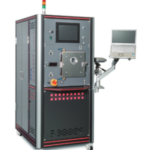
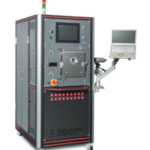
In this video, we take a closer look at an experiment in which alumina (Al₂O₃) was deposited onto copper powder using the SAL1000B desktop ALD system. We explain the mechanism behind the improved hydrophilicity and examine the powder’s reaction with dilute nitric acid.
In the previous experiment, the alumina-coated copper powder sank more readily in water, and there was a noticeable delay before it began to dissolve in dilute nitric acid. However, even after 500 ALD cycles, the coating could not completely prevent the copper from dissolving.
Why did the surface become more hydrophilic? And why couldn’t the alumina film completely prevent the reaction with dilute nitric acid? In this video, we revisit the experimental results and explore the answers from a chemical perspective.
[What You’ll Learn in This Video]
・The mechanism behind ALD-induced hydrophilicity and why copper powder sinks more readily in water
・Why 500 ALD cycles were not enough to fully protect the copper
・The properties of alumina and its reaction with dilute nitric acid, explained through chemical equations
・The potential for improving acid resistance by using alternative materials, such as titanium oxide and hafnium oxide
If you are interested in ALD coating of powders, surface modification, or the chemical resistance of thin films, be sure to watch the video!
▼ Watch the video here:
https://www.youtube.com/watch?v=qy3QfwYNUjI