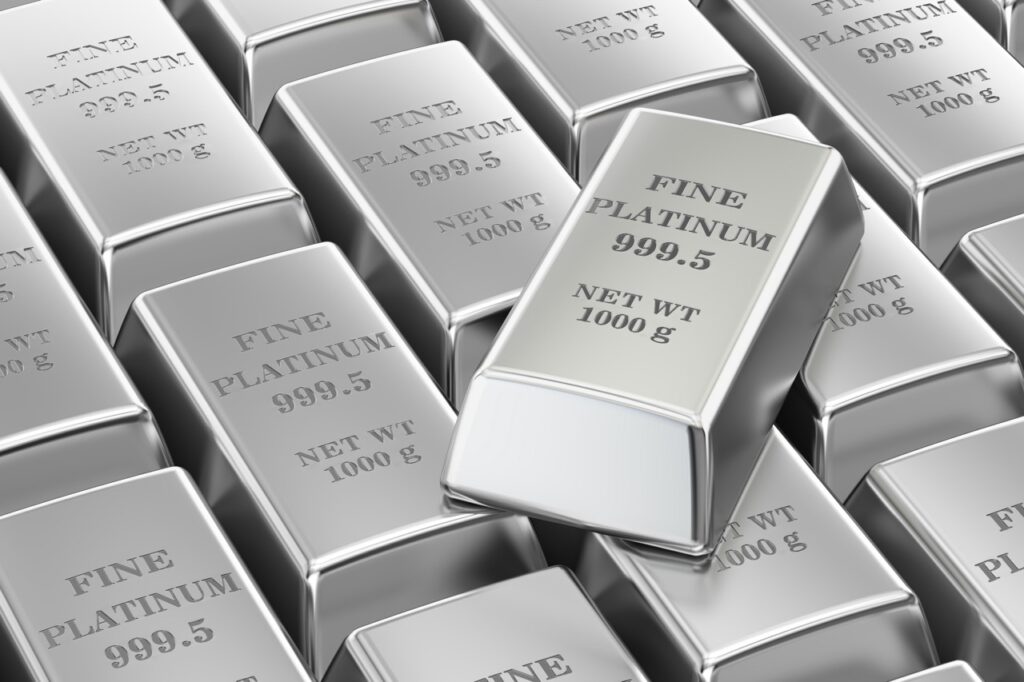
‘What is a platinum catalyst, after all?’ Are they around us?’
We have written this article to answer these questions.
In this article, we will explain the platinum catalyst in a biting way, followed by a simple understand explanation with familiar examples.
By the time you finish reading this article, we hope you’ll have a good understanding of platinum catalysts.
Let’s take a quick look.
What is a platinum (Pt) catalyst?
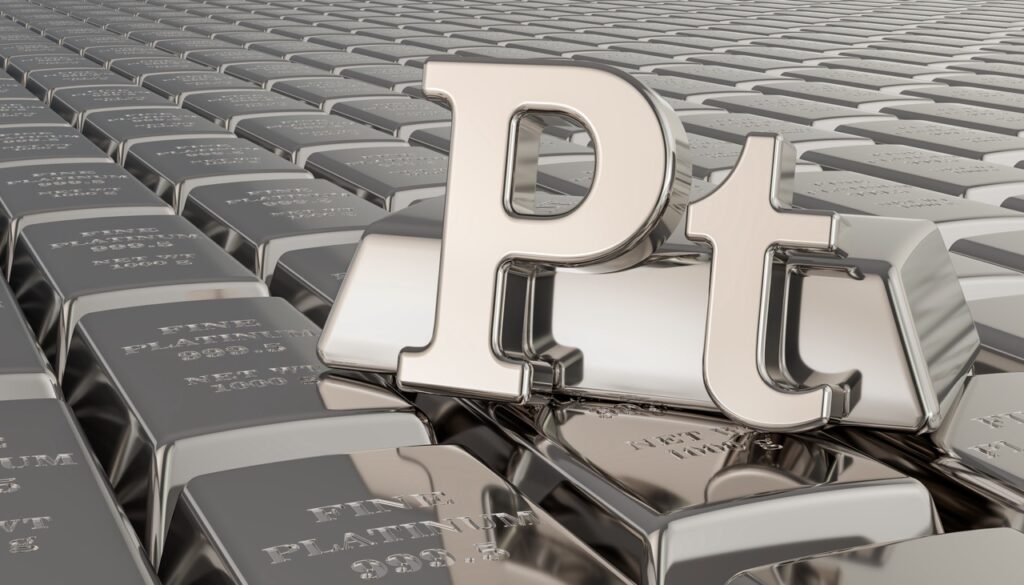
Platinum catalyst is the name given to the use of platinum as a catalyst.
It has a catalytic action that activates oxygen and hydrogen, and can purify toxic gases such as carbon monoxide and hydrocarbons into harmless gases through oxidation and reduction reactions.
Platinum itself is less reactive and less likely to change.
However, it has a curious catalytic performance: it reacts with everything around it.
We will now discuss in the next section where platinum catalysts are used.
How Platinum is used in society.
In fact, platinum catalysts are all around us.
You may have one in your home.
Platinum catalysts are used in ‘Hitachi’s refrigerators’, ‘gas purification in cars’ and ‘Hakkin hand warmers’.
Platinum is useful “Hitachi fridges”
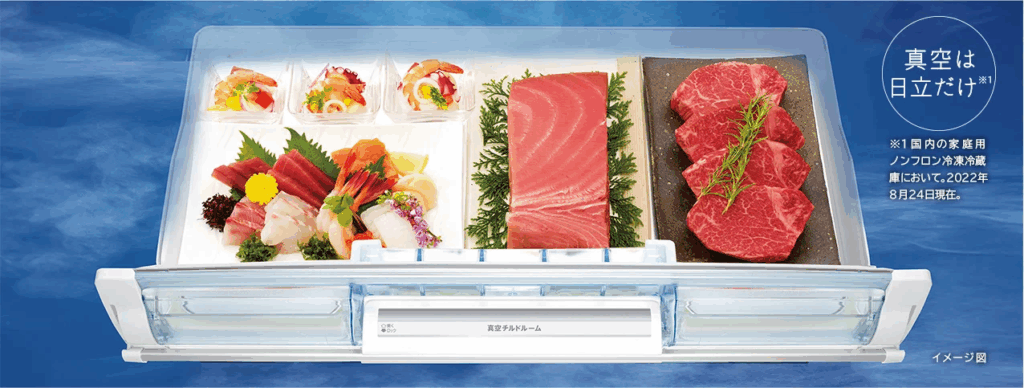
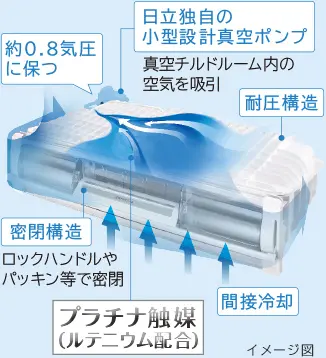
Platinum catalysts are also used in some refrigerators made by Hitachi.
Previously, photocatalysts were used, but now platinum catalysts are used to break down ethylene gas and odor components into carbon dioxide gas and molecules, allowing vegetables to be put to sleep.
This high freshness preservation locks in moisture and prevents drying, which means that even vegetables that have been stored for a long time can still taste good.
Platinum is useful “Automotive gas purification (autocatalysts).”
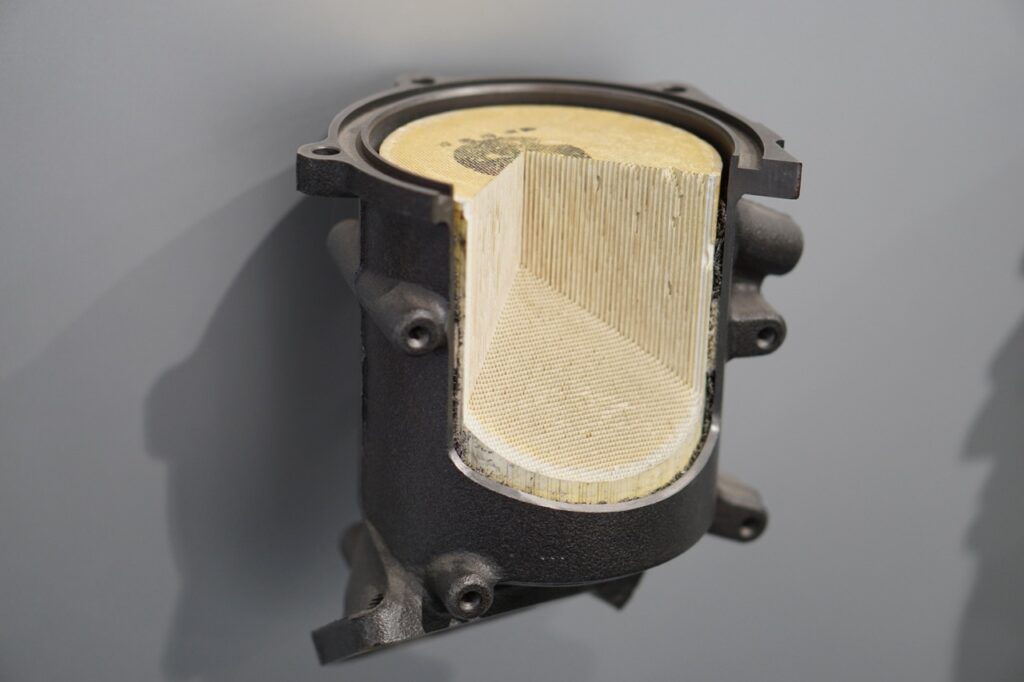
Much of platinum is used in autocatalysts.
Specifically, it is used to clean up toxic gases.
Rhodium, platinum and palladium are used in catalytic converters, which are parts of the car, to clean toxic gases in the exhaust gas using a catalytic reaction.
The specific processes are as follows.
- HC (hydrocarbons) → oxidation → H2O + CO2 (water and carbon dioxide)
- CO (carbon monoxide) → oxidation → CO2 (carbon dioxide)
- NOx (nitrogen oxides) → reduction → N2 + O2 (nitrogen, oxygen)
Platinum was originally used in diesel vehicles (e.g. buses), while palladium was used in petrol vehicles.
More details will be given later in the section on the history of platinum catalysis.
Platinum is useful “Hakkin hand warmers”
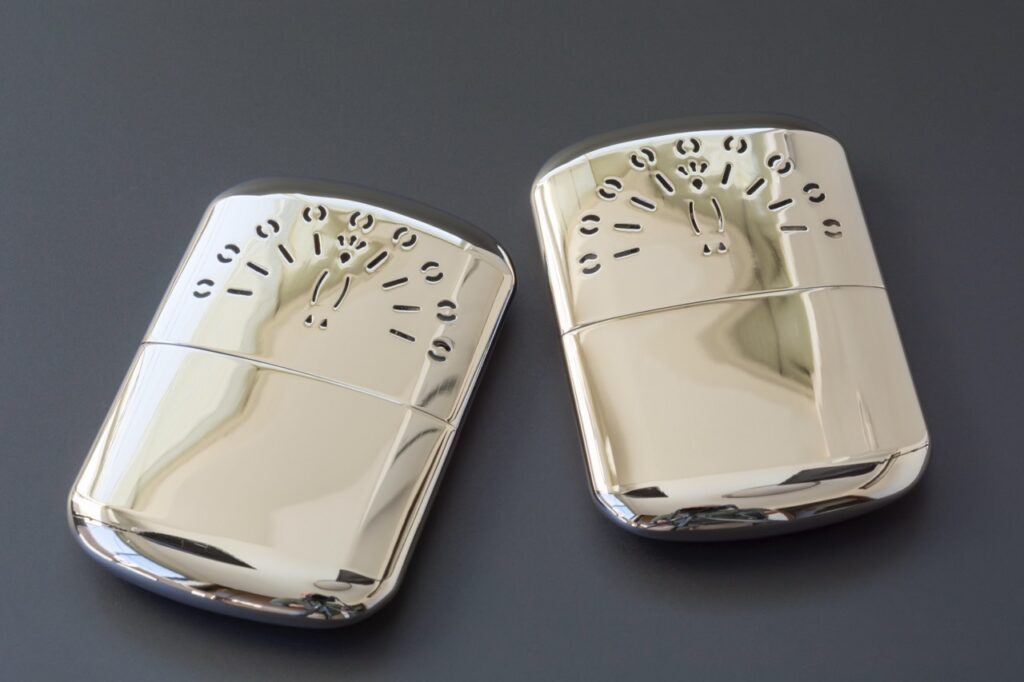
Platinum catalysts are also used in Hakkin hand warmers.
Hakkin hand warmers use a chemical reaction—in which vaporized benzene (hydrogen) comes into contact with platinum to generate heat—to provide warmth, and they are popular among hikers and others.
While most warmers use an oxidation reaction of iron, Hakkin hand warmers use a platinum-catalysed reaction, which is environmentally friendly and has a longer duration of 18-24 hours.
It is recommended for skiing and winter outdoor activities.
COLUMN: Platinum catalysts and automotive history.

Platinum catalysts were originally used in many diesel vehicles.
Palladium catalysts are used in petrol vehicles.
The monetary value behind this was that palladium was cheaper than platinum.
Although palladium has lower performance as a catalyst, it is sufficient for petrol engines.
The price of palladium was cheap at the time, but now the price has skyrocketed due to increased demand for petrol-powered vehicles.
It is now more expensive than platinum and gold.
For this reason, many platinum catalysts are now used in petrol vehicles.
Furthermore, the automotive industry and platinum catalysts are inextricably linked, as platinum is also used as a catalyst in fuel cell vehicles that use hydrogen as their energy source.
Summary
In this article, we explained the platinum catalyst.
Let’s look back at the last point.
The key points of this article.
Platinum catalysts catalyse the activation of oxygen and hydrogen.
Platinum is used in ‘Hitachi refrigerators’, ‘gas purification for cars’, ‘Hakkin hand warmers’, etc.
Automobiles and platinum catalysts continue to be used from diesel to the latest fuel cell vehicles.