
Among catalysts, ‘photocatalysis’ has attracted particular attention recently.
Many people have heard of them, as they are often featured in the news.
However, it is also characterized by being difficult to explain and understand.
So now, we are trying to explain this subject in an easy-to-understand way for high school students.
The complex parts are explained using diagrams and videos, so if you are curious about what photocatalysis is and how it is used in society, please take a look.
Let’s have a look.
Photocatalyst is one of the catalysts that react with light (ultraviolet light).
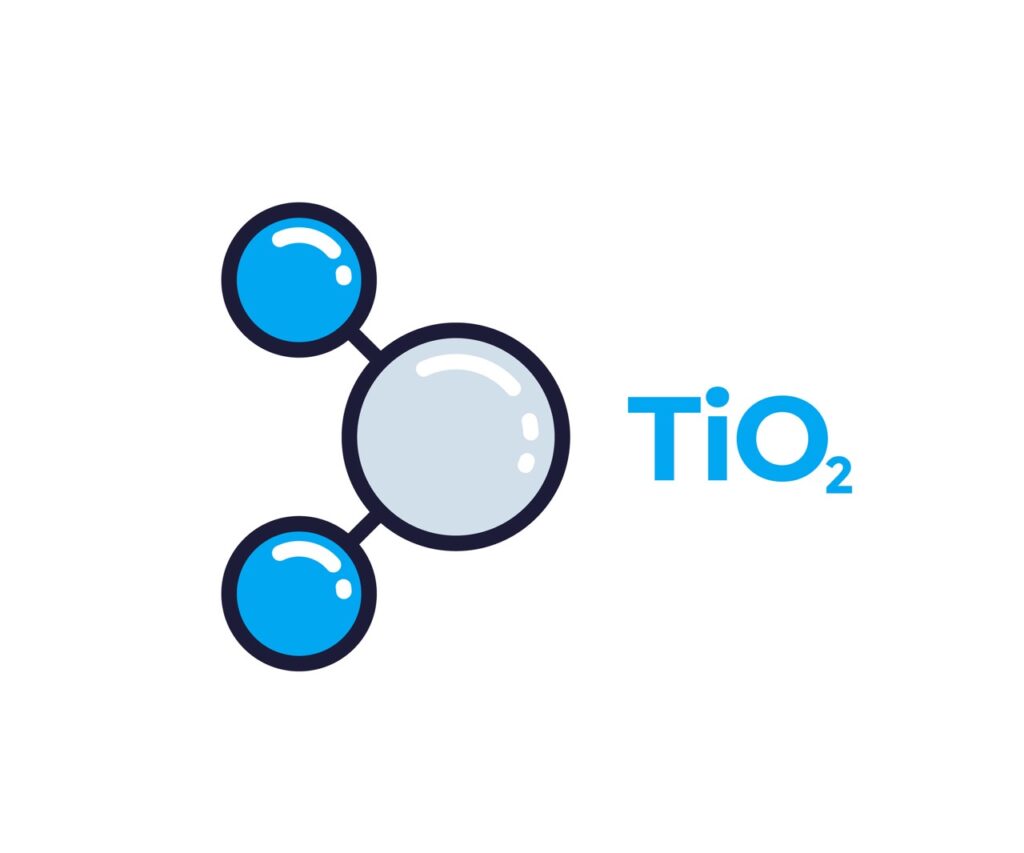
Photocatalysis generally refers to coatings with titanium dioxide as an ingredient.
When exposed to light (ultraviolet light), a ‘redox reaction’ occurs on the surface, which has the effect of breaking down harmful substances and preventing staining.
*Photocatalysis exists not only in man-made coatings, but also in nature, for example in plant photosynthesis.
Photocatalysts possess the properties of “generating strong oxidizing power” and “superhydrophilicity,” and can be utilized in six different ways.
Six functions of photocatalysis

Photocatalysis has six functions.
- Air purification: oxidative decomposition of toxic substances such as NOx and Sox in standby.
- Antifouling: floats dirt.
- Deodorization: oxidative decomposition of odor components.
- Anti-fogging: uses high hydrophilic properties to prevent fogging.
- Antimicrobial: inhibits the activity of viruses to oxidize and degrade the outer membrane.
- Water purification: uses active enzymes to break down arsenic and hexavalent chromium in water.
Not many people will get a clear vision from the above, so here is how it is used in society.
How photocatalysis is used in society.
Photocatalysis is used in ‘some Hitachi refrigerators’, ‘exterior wall coatings (photocatalytic paints)’, ‘coatings for disinfection (e.g. doorknobs)’ and ‘photocatalytic air purifiers’.
Let’s look at each of them.
Certain refrigerators manufactured by Hitachi
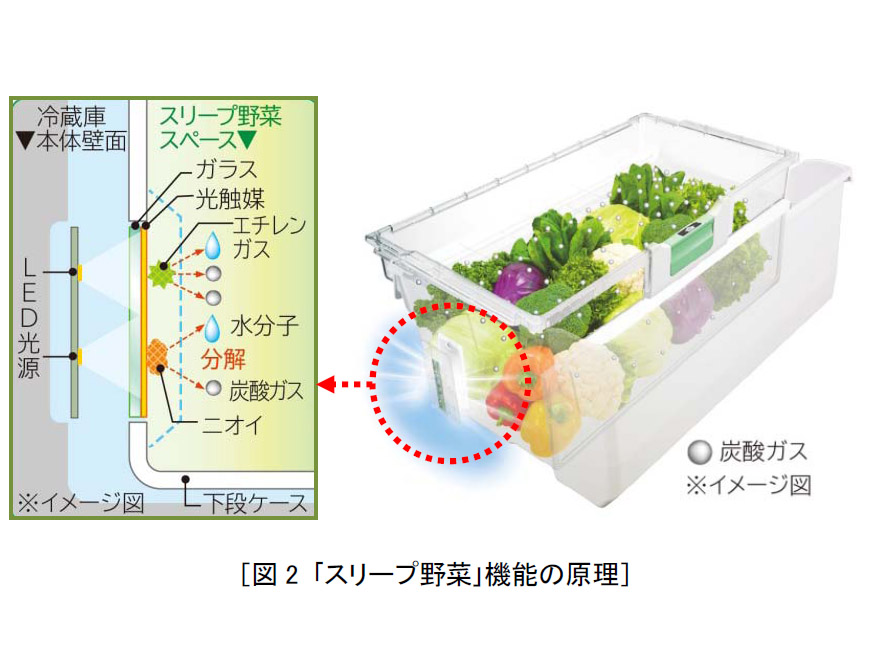
Source:日立,光触媒で食材の鮮度を守る冷蔵庫を発売 | OPTRONICS ONLINE オプトロニクスオンライン
Some refrigerators manufactured by Hitachi use some photocatalysts.
Specifically, an LED light source and photocatalyst are installed in the Fresh Sleep Vegetable Chamber, which refrigerates vegetables.
They are able to break down ethylene gas and odor components and produce carbon dioxide gas to preserve vegetables as they sleep.
Some models now use platinum catalysts instead of photocatalysts.
The following article on the use of platinum catalysts will help you choose the right fridge.
External wall painting (photocatalytic paint)

For a while more and more houses were using photocatalysis for external wall painting.
By using photocatalysts with a self-cleaning effect, exterior walls are painted to keep them clean and durable.
The mechanism is as follows.
- Sunlight floats dirt.
- Rain washes away dirt.
- Clean exterior walls.
However, there are some disadvantages, such as the fact that it is not effective in areas that are not exposed to the sun, and the high cost of painting, which is generally a matter of controversy.
The decision to adopt a photocatalytic painting requires careful consideration.
Coatings for disinfection (e.g. doorknobs)
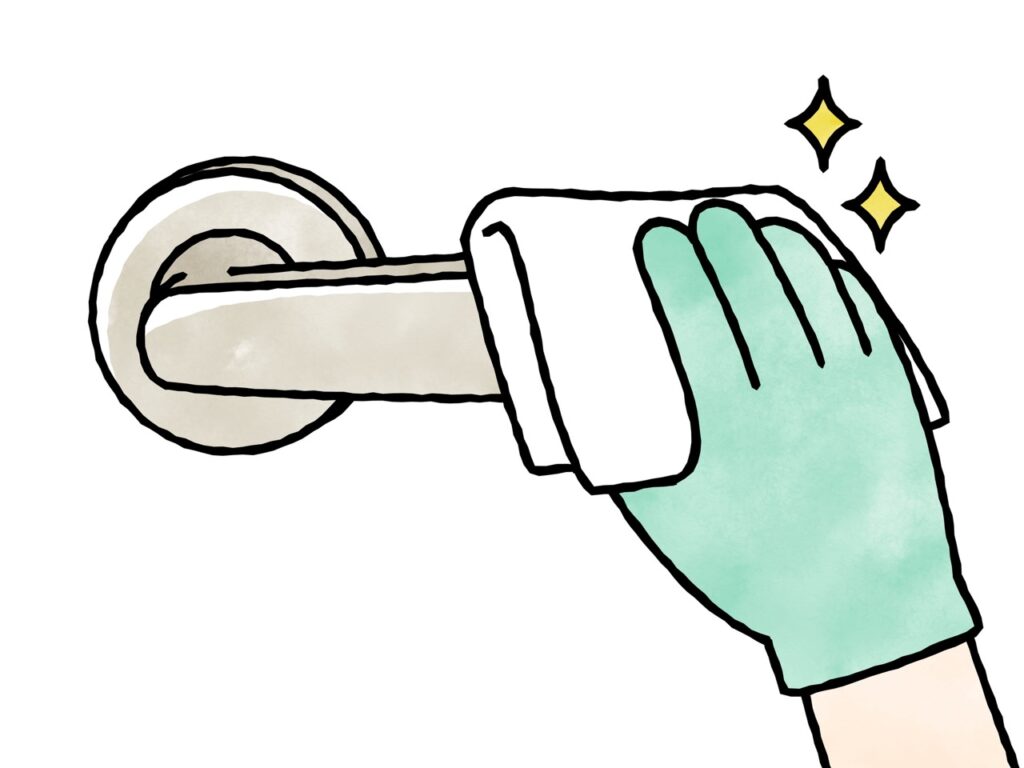
In addition to external wall coatings, photocatalysts are sometimes coated on doorknobs and other surfaces for disinfection purposes.
The mechanism is that ‘reactive oxygen species’ generated by photocatalysis oxidize and decompose the outer membrane of the virus, thereby inhibiting its activity.
However, the antiviral action occurs mainly only on the surface and is not expected to inactivate the virus into the air.
This means that only contact transmission may be prevented.
Photocatalysis is a catalyst that has attracted attention for its use in combating coronaviruses.
Research to date has shown that
- When applied to doorknobs, etc., viruses can be expected to decompose through oxidation reactions.
- Not expected to inactivate viruses floating in the air.
Photocatalytic air purifiers
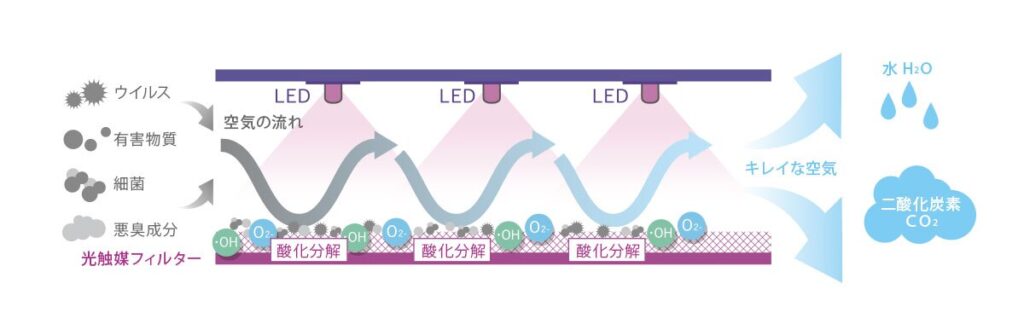
Source:光触媒 除菌・脱臭機「ターンド・ケイ」【NECフィールディング】
Some air purifiers also use photocatalysts.
Air purifiers with ‘photocatalytic filters’ break down harmful substances and odor components in a chemical reaction and expel them as clean air.
Photocatalytic air purifiers have gradually become more popular in recent years, with their use in shopping malls, sports centers and inns.
Now, let’s take a look at how photocatalysis works, using titanium dioxide—a typical photocatalyst—as an example.
Examples of photocatalyst mechanisms and chemical formulae.
The term “Photocatalyst” primarily refers to substances that react when titanium dioxide is exposed to ultraviolet light.
Let’s look at the diagram first, as it is easier to understand.

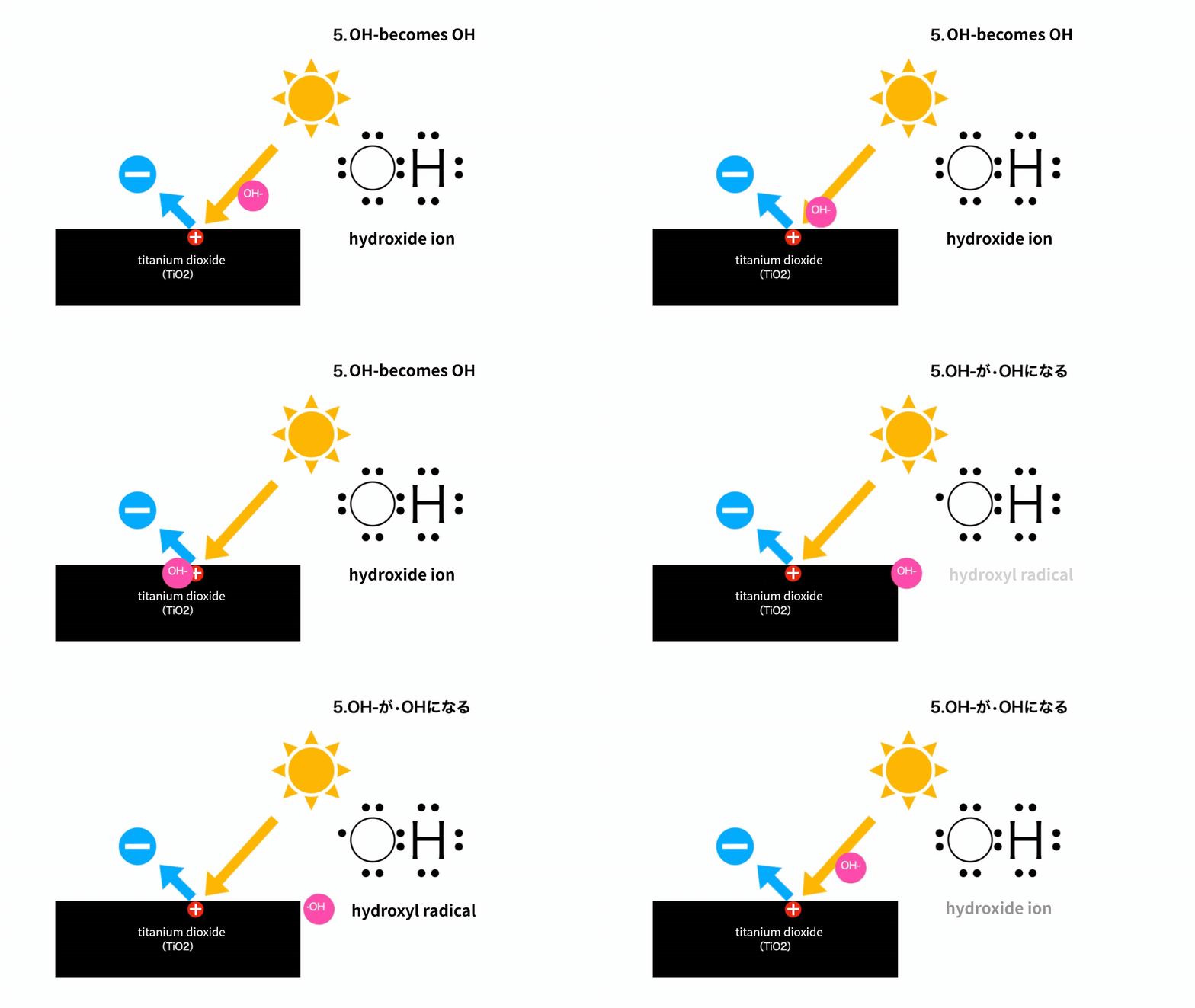
In words, it can be explained as follows.
- O2 + e- → O2- (becomes superoxide anion radical).
- H2O + h + → – OH + H + (becomes hydroxyl radical)
Radicals deprive electrons, which means they have a strong oxidizing power.
History of photocatalysis

Photocatalysis is actually an original Japanese technology.
The invention of photocatalysis came in 1972, when it was discovered that when ultraviolet light is shone on titanium dioxide single crystals in water, the water is decomposed and broken down into oxygen and hydrogen.
Titanium dioxide, in particular, proved to be exceptionally practical—stable, inexpensive, and reusable—which led to the rapid spread of photocatalysis and the advancement of research in this field.
Then, around 1980, the scope of research expanded when organic matter was successfully decomposed, leading to the decomposition of the odor components introduced earlier.
Photocatalytic air purifiers for home use were created in the 1990s-2000s, when sick building syndrome became an issue.
They are now used in many places, including hospitals and hotels.
And the new coronavirus has brought photocatalysis to the attention of the disinfection sector
Actually, photocatalysts are quite common among catalysts.
Summary
In this article, photocatalysis is explained.
It may seem difficult to understand at first glance, but I hope you now realize that it’s actually something very familiar to you.
Finally, let’s look back at the key points.
The key points of this article.
- Photocatalysts is one of catalysts that react with light (ultraviolet light).
- Photocatalysis has the properties of ‘generating strong oxidative power’ and ‘superhydrophilicity’ to be used in society.
- Photocatalysis is used in ‘some Hitachi refrigerators’, ‘exterior wall paint (photocatalytic paint)’, ‘coatings for disinfection (e.g. doorknobs)’ and ‘photocatalytic air purifiers’.
- Photocatalysis is an original Japanese technology that has been attracting a lot of attention recently.
There are many other catalysts in the world besides photocatalysis.
For more information, see the following article, which is of interest to those interested in catalysis.