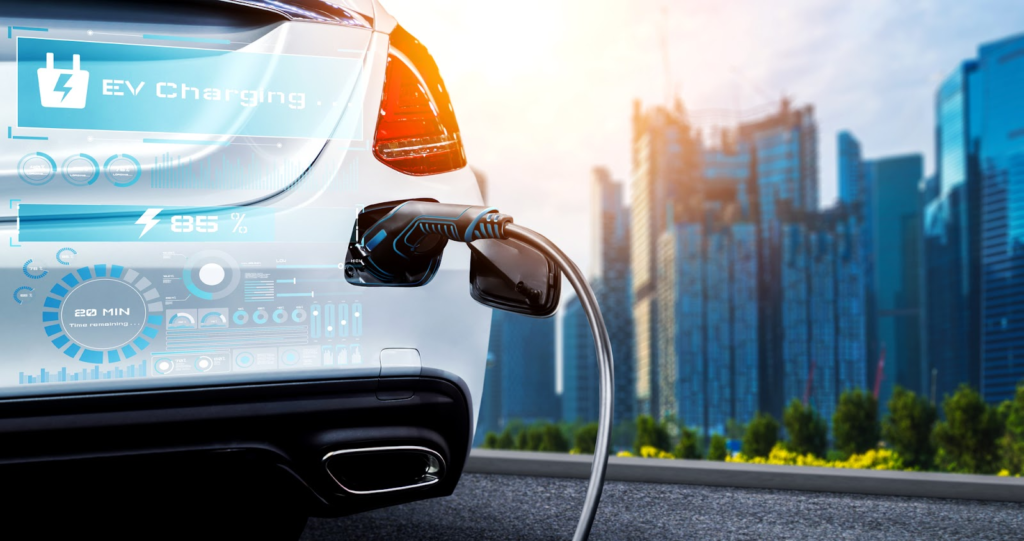
Lithium-ion batteries have high energy density, low self-discharge rates and long cycle life.
They are used in smartphones, laptops and other portable devices and support our daily lives in unseen ways.
Recently, there has been a growing trend towards installing them in electric vehicles and satellites.
However, lithium-ion batteries cannot be used indefinitely and, like other rechargeable batteries, have a ‘lifespan’.
This article describes the lifespan of lithium-ion batteries.
This article also explains tips on how to make lithium-ion batteries last longer, which we hope you will read through to the end.
Let’s take a look.
Lithium-ion batteries have a lifespan of around 2~3 years (300~500 cycles).
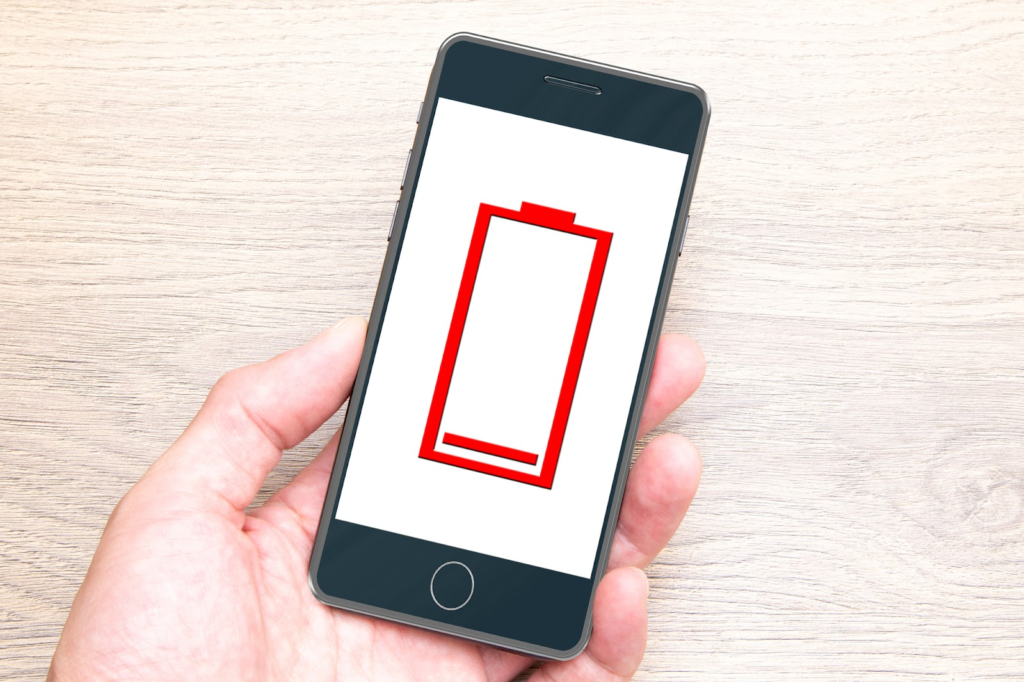
The lifespan of lithium-ion batteries depends on the conditions of use, but is said to be around 2-3 years for smartphones.
If we define a single cycle as the process from a full charge to a complete discharge, performance begins to deteriorate significantly after approximately 300 to 500 charge-discharge cycles.
There are four signs of lithium-ion battery degradation
- Charging speed is slower than before.
- Batteries become extremely hot when charging.
- Battery capacity decreases quickly during use.
- Power suddenly switches off when in use.
When these conditions occur, it is a sign that the battery is approaching the end of its service life.
The battery may need to be replaced or change the conditions of use.
The next section describes what shortens lithium-ion batteries life.
You can prolong battery life by avoiding the following uses.
Usage habits that shorten the lifespan of Lithium-ion batteries.
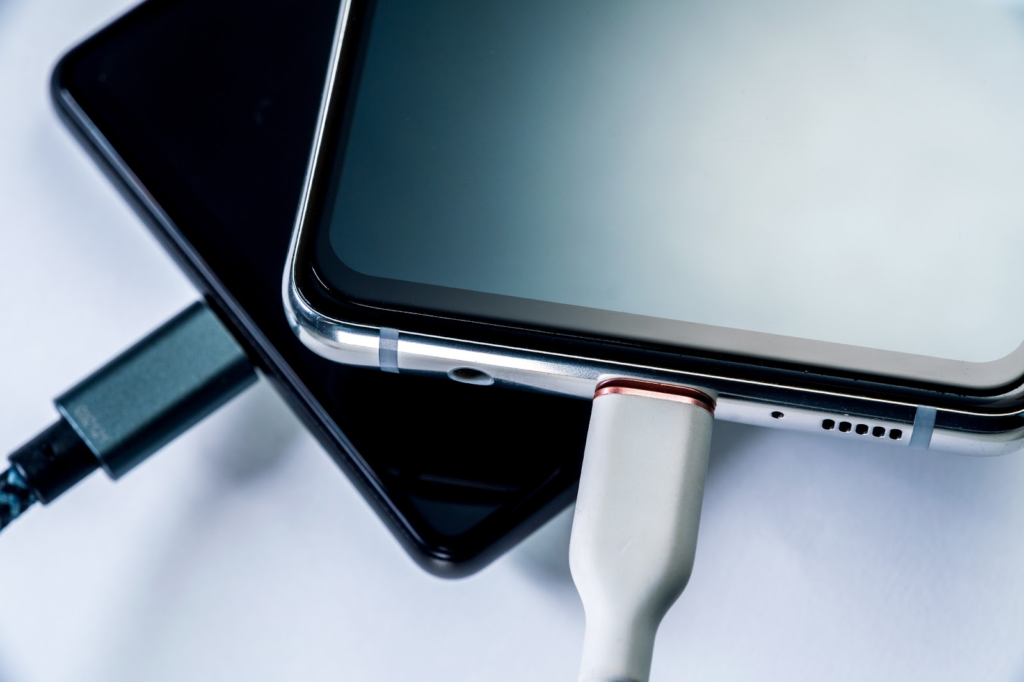
There are three factors that accelerate deterioration of Lithium-ion batteries as follows.
- Use in hot or cold environments
- Overcharging and overdischarging
- Long-term storage with fully charged batteries
The reasons why each factor affects battery life are explained one by one.
Use in hot or cold environments
In general, the higher the temperature of a chemical reaction, the faster the rate of reaction.
Therefore, the charge/discharge reaction rate increases when lithium-ion batteries are used in high-temperature environments.
Meantime, the hotter the operating environment, the more likely side reactions (e.g. decomposition of the electrolyte) are to occur in the battery.
This results in degradation of the electrode surface, making it difficult for the absorption-desorption reaction of lithium ions to the electrode to take place.
Also, when used in a low-temperature environment, the lithium ions are less likely to move within the battery.
This increases the internal resistance of the battery and causes a reduction in battery capacity.
Overcharging and overdischarging
Continuing to charge a battery when it is already at 100% capacity is called ‘overcharging’, while forcibly discharging a battery when it has used up its capacity is called ‘overdischarging’.
Lithium-ion batteries can be overcharged or overdischarged, which accelerates their lifespan.
These two situations are similar to ‘extreme conditions’ for batteries.
The condition inside the battery can deteriorate due to the strain on the electrodes and the occurrence of side reactions.
Long-term storage with fully charged batteries
When a lithium-ion battery is charged to 100%, a high voltage is maintained between the electrodes.
If the electrodes are stored without use for a long time, they will remain under load and gradually deteriorate during storage.
Finally, tips on how to make lithium-ion batteries last longer are explained.
By avoiding usage habits that shorten battery life and following best practices to extend it, you can ensure that your lithium-ion batteries last for their full intended lifespan.
Tips for prolonging the life span of lithium-ion batteries
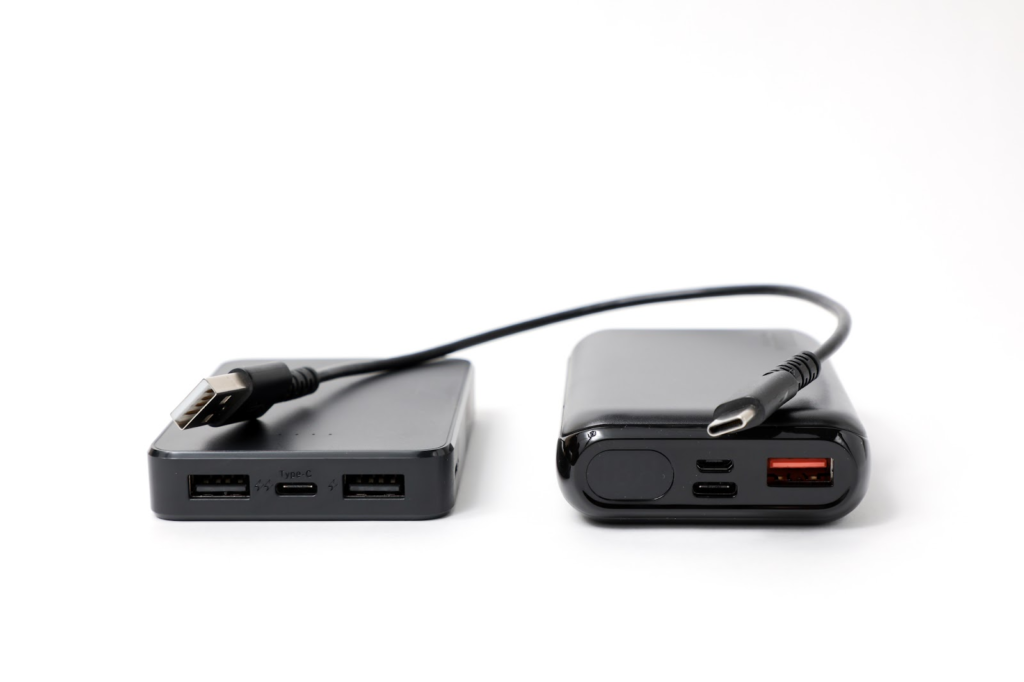
There are two factors that make the life span of lithium-ion batteries last long.
- Do not use while charging.
- Charging in small increments.
Each of these is explained one by one.
Do not use while charging.
Using a battery while it is being charged causes the battery to simultaneously perform charge and discharge reactions, which continues to place a very high load on the battery.
Simultaneous charging and discharging reactions can cause the temperature of the battery to rise, which can lead to degradation of the electrode material due to side reactions and other factors.
The first key to prolonging the life of lithium-ion batteries is not to use them while charging.
Batteries should be recharged when not in use and used in the least taxing way possible.
Charging in small increments.
Charging while capacity is still remaining is known as ‘top-up/partial charging’.
When charging a lithium-ion battery, you can extend its lifespan by topping it off rather than waiting until it is completely drained before recharging.
As mentioned above, batteries are vulnerable to extreme conditions such as 0% or 100% capacity.
This places a load on the battery material and accelerates degradation.
If you feel that the capacity is running low, recharge the battery, and when it is 80% charged, disconnect the charging cable and use the battery again.
In this way, you may be concerned about the memory effect (a phenomenon in which battery capacity is reduced in a primary way).
However, since lithium-ion batteries do not have a memory effect, please feel free to top them up as needed.
Lastly
This concludes the commentary on lithium-ion battery life.
We hope this will help to answer your questions.
References
データに学ぶLiイオン電池の充放電技術 江田信夫, CQ出版社
リチウムイオン電池の劣化診断について(詳報)_No.23|お役立ち情報 (daiwa-can-ens.com)
デジタル生活で活躍するバッテリの劣化はなぜ起こるの? |テクの雑学|TDK Techno Magazine
電池ユーザーのためのリチウムイオン電池の基礎知識 | テクノロジー | 株式会社レフエレクトロニクス (refelectronics.com)
最近注目された「寒冷バッテリー切れ」について_No.20|お役立ち情報 (daiwa-can-ens.com)
第2回 リチウムイオン電池のメリットや充電時の注意点とは?スマホから自動車まで、さまざまなシーンで活用される理由を解説 | 村田製作所 技術記事 (murata.com)
How Long Does A Lithium Ion Battery Last? – Standard Battery (standardbatteryinc.com)