What comes to mind when you hear the word “battery”?
It varies from person to person, from the dry cell batteries and button batteries that we often see around us, to the lithium-ion batteries used in smartphones and other mobile devices.
One of the names used to refer to a variety of batteries is ‘secondary battery’.
However, few people may be familiar with the term ‘secondary battery’.
This article therefore explains what a secondary battery is.
We hope that you will read this article to the end, as it explains the various secondary batteries and how to use them differently from primary batteries.
Let’s take a look
What is a secondary battery?
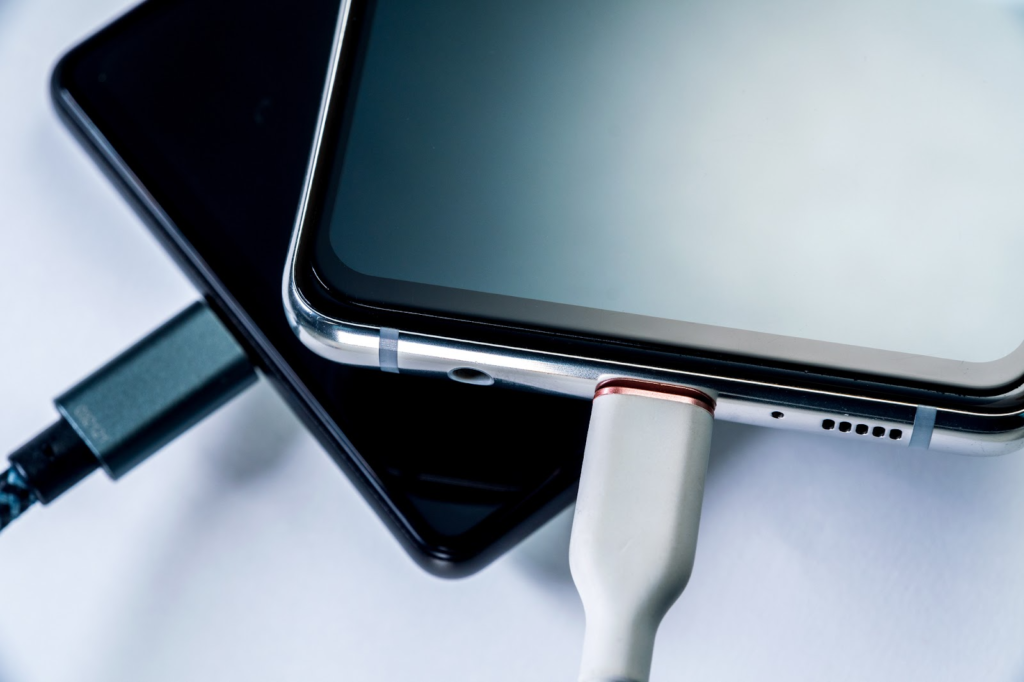
Secondary battery is a rechargeable battery.
Also known as ‘storage batteries’.
It can be recharged and used again even if once the capacity has been used up and the battery is empty.
A type of battery that produces electricity from a chemical reaction called a ‘chemical battery’, of which there are many types, including nickel-metal hydride batteries, lead-acid batteries and lithium-ion batteries.
Rechargeable battery is often more expensive than primary batteries.
Unlike primary batteries, however, they can be recharged and reused, so in the long term they can be seen as less expensive than primary batteries.
The following three types of rechargeable batteries are then described
- Nickel-Metal Hydride battery (NiMH battery)
- lead-acid battery
- lithium-ion battery
Each of these is explained one by one.
Various rechargeable batteries
lithium-ion battery
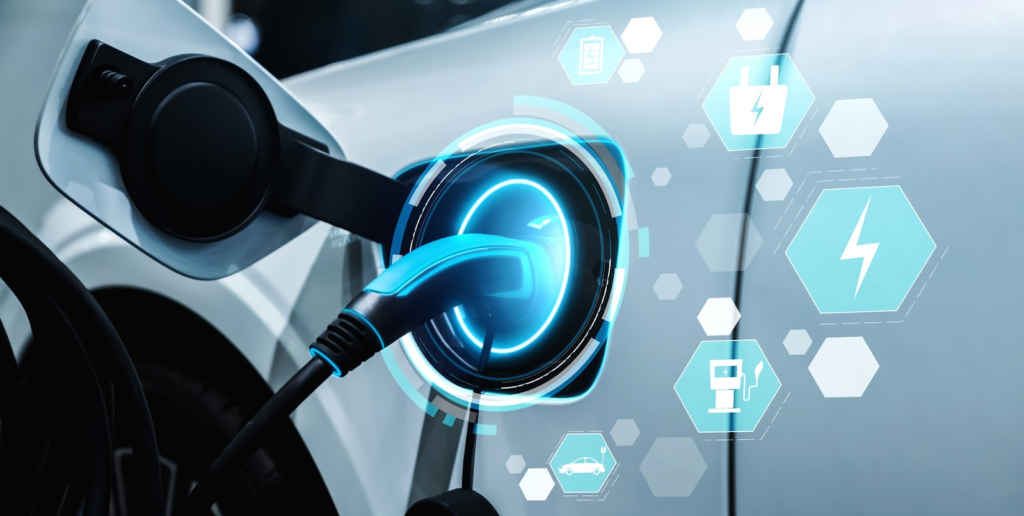
Lithium-ion battery is a rechargeable battery in which lithium ions act as electricity carriers within the battery.
They are called lithium ‘ion’ batteries because they always exist in the ionic state during charge and discharge reactions.
Since Sony and Asahi Kasei succeeded in commercializing these batteries in the 1990s, they have rapidly expanded their share of the rechargeable battery market.
Lithium-ion battery nominal voltage per terminal is relatively high at more than 3 V and can be recharged continuously due to no memory effect.
On the other hand, the use of a flammable substance called organic electrolyte in the electrolyte can lead to a risk of ignition accidents if both electrodes short-circuit in the electrons.
Click here for a detailed article on lithium-ion batteries.
If you would like to know more about advantages and disadvantages, see the following related articles.
Nickel-Metal Hydride battery (NiMH battery)
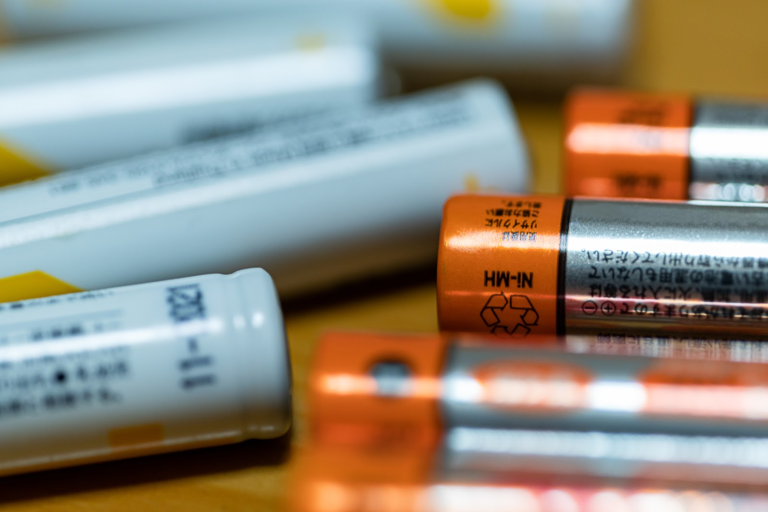
Nickel-metal hydride battery is a battery in which nickel hydroxide and a hydrogen storage alloy are used in the battery.
The structure replaces the cadmium in the nickel-cadmium battery with a hydrogen storage alloy, which has high chemical stability as no electrode dissolution/precipitation reaction occurs during the charge/discharge reaction.
Nickel-metal hydride battery has lower internal resistance than other rechargeable batteries and can carry a larger current during discharge.
The low voltage per terminal means that they can be used in place of dry cell batteries.
However, if the battery is charged while there is still some capacity remaining, the voltage will drop sharply at the next discharge when the capacity is reduced to around the level at which charging started, causing the equipment to stop (memory effect).
In addition, the use of expensive elements in the anode tends to make batteries more expensive, and if left unused, 20-30% of the capacity is naturally discharged in a month.
NiMH battery is often used in situations where a lot of current is required for a short period of time, such as radio-controlled cars and power tools.
If you would like to know more about the strengths and weaknesses of nickel metal hydride batteries, see the related articles below.
lead-acid battery
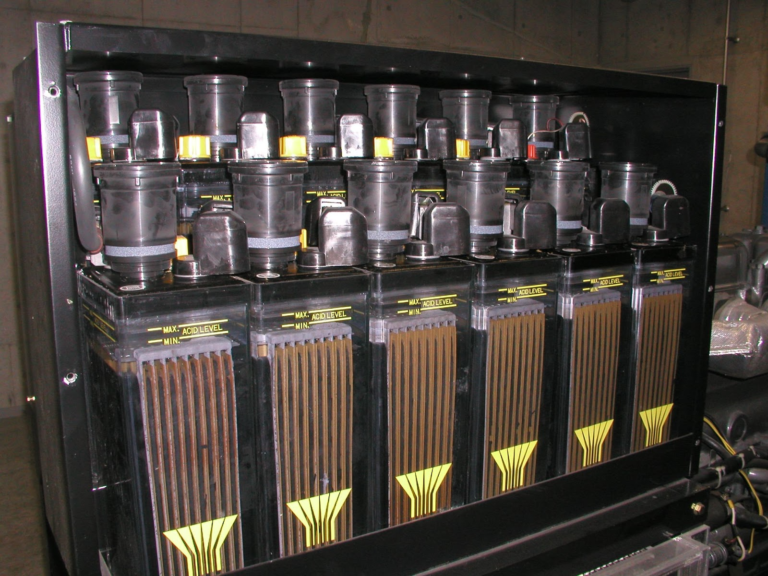
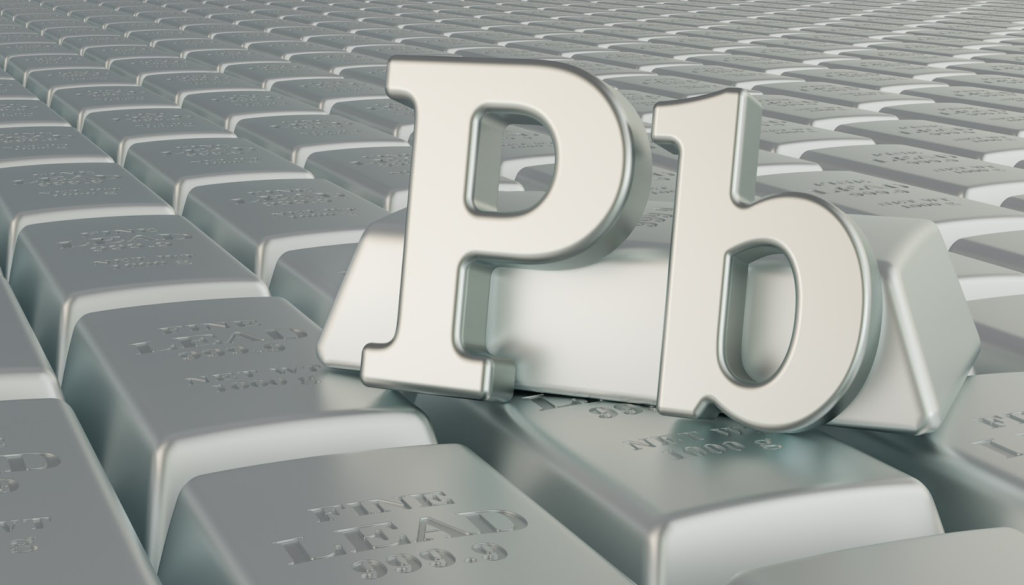
Lead-acid battery is a rechargeable battery that uses lead as the electrode.
It was developed by Gaston Plante in France in the 1850s and has since been used in a variety of situations, including car batteries and power supplies for electric forklifts.
Lead-acid battery has a voltage of about 2 V per terminal, which is higher than nickel-metal hydride batteries and nickel-cadmium batteries (both around 1.2 V).
This means that fewer batteries in line can produce higher voltage when it’s needed.
Lead electrodes can be purchased cheaply, which reduces the production price of batteries.
A recycling system has already been established, making it an environmentally friendly rechargeable battery.
However, due to their weight and volume, the volume occupied by batteries in equipment tends to be inevitably large.
Sulfuric acid is used as the electrolyte, which is harmful to the human body in the event of a leak, and the battery may not start up due to ‘sulfation’, a phenomenon where the electrodes deteriorate.
Click here for a detailed article on lead-acid batteries.
If you would like to know more about strengths and weaknesses, see the following related articles
Finally, this section explains how to distinguish between primary (non-rechargeable) and secondary (rechargeable) batteries.
Using different batteries for your purpose
In general, primary batteries have stable voltage, low self-discharge and can be stored for long periods.
It is therefore suitable for equipment requiring less power for longer periods of time and for emergency power supplies.
Examples include watches, remote controls, flashlights and radios.
On the other hand, rechargeable batteries have a high energy density and can be recharged and used again after use.
It is therefore suitable for use in equipment that frequently uses large amounts of power.
Examples of use include laptops, smartphones and power tools.
Primary and rechargeable batteries have very different characteristics.
It is necessary to take performance and cost into account before using them.
Lastly
This concludes the commentary on secondary batteries.
We hope this will help to answer your questions.
References
リチウムイオン電池 – パナソニック (panasonic.com)
電池の基本構成と充放電の原理:知っておきたい 電池の仕組み(2)(4/6 ページ) – EDN Japan (itmedia.co.jp)
リチウムイオンバッテリーの自己(自然)放電とは?基礎・基本を学ぶ – 株式会社 長谷川製作所 (e-hasegawa.co.jp)
充電式電池のメモリー効果とは?(メモリー現象とは?) PZ18111 – ニッケル水素電池&充電器 – Panasonic
よくあるご質問 | ニッケル水素電池 | 川崎重工業株式会社 (khi.co.jp)
負極材料 │ FDKの保有技術 │ 研究開発 │ FDK株式会社
鉛蓄電池について<バッテリーの基礎知識>|インフューズ (infuse-net.com)
電池の活躍の場 | 一般社団法人 電池工業会 (baj.or.jp)